
For Manhattan parents, the health and safety of their children are always the top priorities. We obsess over the best preschools, the safest car seats, and the most nutritious organic snacks. However, one of the most significant health risks to our children might be hiding in plain sight: the kitchen faucet.
While New York City’s water supply is world-renowned for its quality—often referred to as the “champagne of tap water”—the journey that water takes from the upstate reservoirs to your child’s sippy cup is long and complex. In an island defined by historic architecture and aging infrastructure, lead contamination remains a localized but serious concern for families.
This guide aims to help Manhattan parents understand the risks of lead in drinking water, identify potential sources in their homes, and take actionable steps to ensure their family’s health.
The Reality of Water in Manhattan
New York City gets its water from the Catskill, Delaware, and Croton watersheds. By the time it reaches the city’s water mains, it is virtually lead-free. However, Manhattan is home to some of the oldest residential buildings in the country. From the pre-war cooperatives of the Upper West Side to the historic brownstones of Harlem, much of our borough’s “charm” comes with antiquated plumbing.
Lead enters drinking water not from the source, but through the corrosion of service lines and internal plumbing materials. When water sits stagnant in pipes containing lead, the metal leaches into the water. For infants and young children, even low levels of exposure can have lasting consequences.
Why Lead is a Specific Concern for Developing Children
There is no “safe” level of lead exposure for children. Unlike adults, children’s bodies absorb lead more efficiently. Because their brains and nervous systems are still developing, the impact of lead is significantly more profound.
According to the Environmental Protection Agency (EPA), lead exposure in children can result in:
- Lowered IQ and hyperactivity.
- Slowed growth and development.
- Learning and behavior problems.
- Hearing and speech issues.
In Manhattan, where the competitive academic environment starts as early as toddlerhood, ensuring that a child’s neurological development isn’t being hindered by preventable environmental toxins is a critical responsibility for any parent.
Identifying Potential Hazards in Your Home
If you live in Manhattan, your risk level often depends on the age and type of your residence. While the city has made strides in replacing public infrastructure, the plumbing inside your building and the service line connecting it to the street are often the responsibility of the property owner.
1. Lead Service Lines
The service line is the pipe that connects your building to the city’s water main. Many buildings constructed before the 1960s may still have lead service lines. In large Manhattan apartment complexes, these lines are high-capacity, but in smaller multi-family dwellings or townhouses, lead pipes are more common. You can check your Manhattan property types to see how different building structures in the borough handle water integration.
2. Lead Solder
Until 1986, lead solder was commonly used to join copper pipes together. Even if your pipes are copper, the “glue” holding them together could be leaching lead into your water, especially if the water is acidic or sits for long periods.
3. Brass Fixtures
Many older faucets and valves made of brass contain significant amounts of lead. Even “lead-free” brass manufactured before 2014 could legally contain up to 8% lead.
Steps Every Manhattan Parent Should Take
Knowledge is the first step toward protection. Here is how you can proactively manage your home’s water safety.
Flush Your Pipes
If the water in your faucet hasn’t been used for several hours (like first thing in the morning or when you get home from work), run the cold water for at least 30 seconds to two minutes before using it for drinking or cooking. This flushes out the water that has been sitting in contact with lead-bearing surfaces.
Use Only Cold Water for Cooking and Formula
Never use water from the hot water tap for drinking, cooking, or making baby formula. Hot water dissolves lead more quickly than cold water. If you need hot water, draw cold water from the tap and heat it on the stove or in a kettle.
Clean Your Aerators
Small screens at the tip of your faucet, known as aerators, can trap sediment and lead particles. Unscrew these periodically and rinse them out to prevent accumulated lead from entering your glass.
Professional Testing
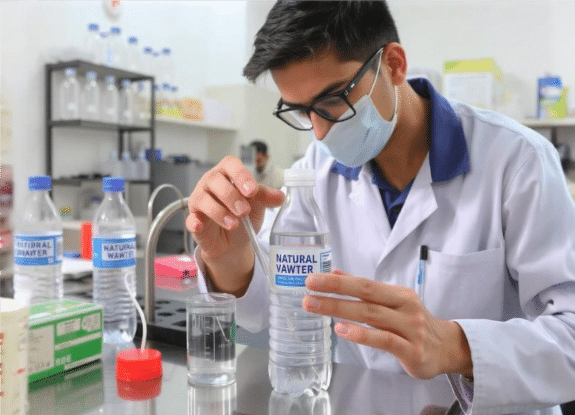
The only way to know for certain if lead is present in your tap water is to have it tested. While the city offers free basic lead test kits, many parents prefer a more comprehensive analysis, especially in older buildings where other contaminants might be present. Professional testing services provide a detailed look at your water quality, offering peace of mind that a DIY kit often cannot.
Navigating Building Compliance and Landlord Responsibilities
For parents renting in Manhattan or living in a co-op/condo, the dynamic of water safety often involves building management. New York City has strict regulations regarding building compliance and the maintenance of safe living conditions.
If you suspect your building has lead service lines, you have the right to request information from your landlord or the homeowners’ association. Under NYC Local Law 1, landlords are required to identify and remediate lead paint hazards, but water remains a more nuanced area where proactive testing is often the tenant’s most effective tool.
The “Local” Factor: Neighborhood Risks
The risk of lead isn’t distributed evenly across the island. Neighborhoods with higher concentrations of historic housing—such as the Upper East Side, Greenwich Village, and Chelsea—often have older service lines compared to the newer high-rises in Hudson Yards or the Financial District.
Regardless of your locations within the borough, the age of the specific plumbing in your unit is the most important variable. Even in a renovated “gut-rehab” apartment, if the building’s main riser or the service line to the street is original, lead risks persist.
Beyond Lead: A Holistic View of Water Safety
While lead is the primary concern for parents, a comprehensive approach to water safety also considers other contaminants that can affect child development, such as copper, PFOAs, and microplastics. Staying informed through a local blog dedicated to Manhattan’s specific environmental challenges can help you stay ahead of emerging water quality issues.
If you have questions about the specific chemistry of Manhattan’s water or how testing protocols work, reviewing a faq section can clarify the differences between municipal reports and the water coming out of your specific faucet.
Taking Action Today
You don’t need to panic, but you do need to be proactive. For Manhattan parents, the transition from concern to confidence is simple:
- Test: Get a professional water analysis to establish a baseline for your home.
- Filter: If lead is detected, invest in a high-quality filter certified by the NSF/ANSI (Standard 53) to remove lead.
- Maintain: Regularly clean faucet aerators and maintain any filtration systems you install.
Our children deserve the best start in life, and that begins with the most fundamental necessity: clean, safe water. If you are concerned about the water quality in your Manhattan home, don’t hesitate to contact a specialist who understands the unique plumbing landscape of our borough.
By taking these steps, you ensure that your home remains the sanctuary it’s meant to be, protecting your family from the invisible risks of the city’s aging infrastructure.