Choosing the right water testing company Manhattan is an essential part of maintaining safe drinking water in residential buildings. Water quality management in Manhattan buildings is a complex responsibility that extends far beyond the municipal supply. While New York City delivers high-quality drinking water from protected reservoirs, the moment water enters a building’s internal plumbing system, responsibility shifts to the building’s ownership and management. For co-op boards and condominium associations, ensuring safe, reliable, and compliant drinking water is not only a best practice—it is a core operational responsibility.
Manhattan’s residential landscape is dominated by multi-unit buildings with shared infrastructure, including vertical risers, storage tanks, booster pumps, and extensive piping systems. These systems are essential for delivering water across multiple floors, but they also introduce variables that can affect water quality. Corrosion, aging plumbing materials, sediment buildup, and bacterial growth are all factors that can influence the condition of water delivered to residents. Because of this, co-op boards and condo associations must take a proactive approach to water testing and system oversight.
Understanding Where Responsibility Begins
A common misconception among building stakeholders is that municipal water quality guarantees safety at the tap. While the New York City water supply is highly regulated and meets strict standards at the point of distribution, those standards do not account for the condition of internal building systems. Once water passes through a building’s service line and enters private plumbing infrastructure, the responsibility for maintaining its quality lies with the property.
In Manhattan buildings, this infrastructure often includes decades-old piping combined with modern upgrades, creating mixed-material systems that can accelerate corrosion. Water may also pass through rooftop storage tanks or intermediate holding systems, where residence time and maintenance practices can affect quality. These factors mean that even high-quality incoming water can change significantly before reaching individual units.
For co-op boards and condominium associations, understanding this transition of responsibility is essential. Water testing provides the data needed to evaluate system performance and identify potential issues within the building. Without testing, boards are relying on assumptions rather than verified information, which can lead to overlooked risks and reactive management.
The Role of Water Testing in Building Oversight
Water testing serves as the foundation of effective water quality management in Manhattan buildings. It provides a clear, data-driven understanding of what is present in the water and how building systems are influencing its condition. For co-op boards and condo associations, this information is critical for making informed decisions about maintenance, upgrades, and resident communication.
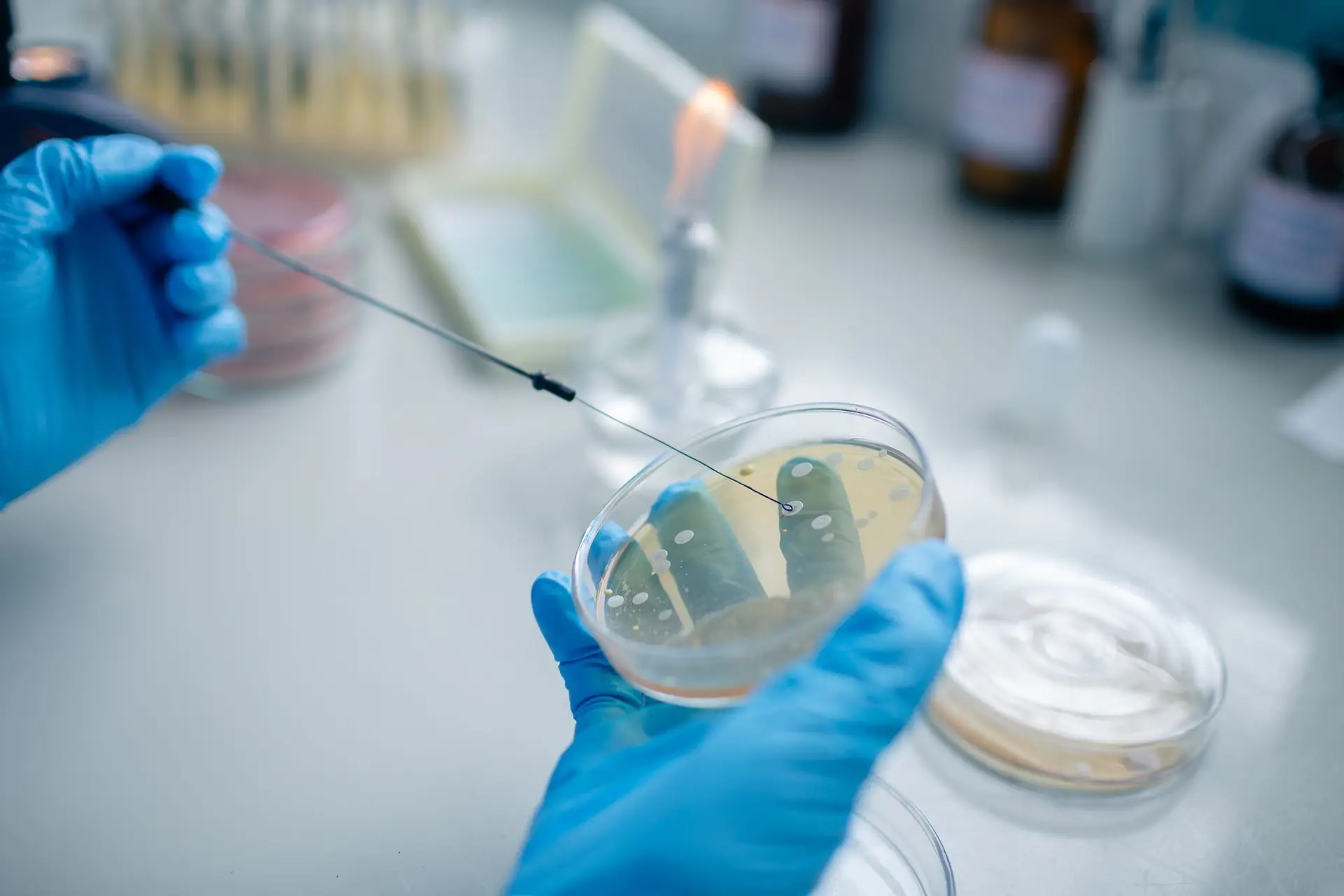
Professional water testing companies conduct certified sampling throughout the building, collecting water from key points such as entry connections, storage tanks, risers, and representative units. This multi-point approach is essential in high-rise environments, where water quality can vary between floors and distribution zones. Samples are then analyzed in certified laboratories using advanced techniques capable of detecting contaminants at very low concentrations.
The results of laboratory analysis provide insight into a range of factors, including heavy metals, bacterial presence, and water chemistry. Experienced water quality consultants interpret these results and identify patterns that may indicate underlying issues within the plumbing system. For building boards, this level of analysis transforms water testing from a simple check into a strategic tool for system management.
Key Water Quality Risks in Manhattan Buildings
Lead and Legacy Plumbing Materials
Many Manhattan buildings, particularly prewar co-ops, may still contain lead service lines, lead solder, or older fixtures that contribute to contamination. Lead exposure is a serious concern, and even low levels can pose health risks. Because corrosion can cause lead to leach into water over time, testing is essential for identifying and addressing this issue.
Heavy Metals and Corrosion
Corrosion is one of the most common challenges in high-rise plumbing systems. As pipes degrade, they can release metals such as iron, copper, and manganese into the water supply. These contaminants can affect both safety and usability, leading to discoloration, staining, and changes in taste.
Bacterial Growth in Building Systems
Water storage tanks and low-flow sections of piping can create conditions where bacteria develop. In large buildings, variations in water usage can lead to stagnation in certain areas, increasing the risk of microbial activity. Testing for indicators such as total coliform and heterotrophic plate count (HPC) helps identify these conditions.
Taste, Odor, and Discoloration
While often dismissed as minor issues, changes in taste, smell, or appearance can signal underlying problems within the plumbing system. Brown water, metallic taste, or unusual odors may indicate corrosion, sediment buildup, or contamination that requires further investigation.
Establishing a Water Testing Program
For co-op boards and condominium associations, water testing should not be treated as a one-time event but as part of an ongoing management strategy. Establishing a structured testing program ensures consistent monitoring and early detection of potential issues.
Routine Testing Schedule
Many Manhattan buildings conduct water testing annually or biannually, depending on the age and condition of their plumbing systems. Buildings with older infrastructure or known issues may require more frequent testing.
Multi-Point Sampling
Testing should include multiple locations throughout the building to capture variations in water quality. This approach provides a more accurate representation of system conditions and helps identify localized issues.
Certified Laboratory Analysis
All samples should be analyzed by certified laboratories to ensure accuracy and compliance with recognized standards. Laboratory reports provide detailed data that can be used for both internal assessment and documentation.
Expert Interpretation
Working with experienced water quality consultants ensures that results are properly understood and that recommendations are tailored to the building’s specific needs.
Compliance, Documentation, and Recordkeeping
Maintaining accurate records of water testing is an essential aspect of building compliance and management. Laboratory reports provide a documented history of water quality conditions, which can be used to track trends and support decision-making.
For co-op boards and condo associations, documentation serves multiple purposes. It provides transparency for residents, supports communication with stakeholders, and demonstrates due diligence in managing building systems. In the event of a concern or inquiry, having detailed records allows boards to respond with verified information rather than assumptions.
Professional water testing companies often assist with organizing and presenting documentation, ensuring that reports are clear and accessible. Over time, these records become a valuable resource for evaluating system performance and planning future upgrades.
Water Testing and Building Liability
Water quality is closely tied to building liability, particularly in a densely populated environment like Manhattan. If issues such as contamination or unsafe conditions arise, building management may be held accountable if proper oversight and testing have not been conducted.
Proactive water testing helps mitigate these risks by identifying problems early and providing a documented record of compliance efforts. It also demonstrates a commitment to resident safety, which is an important consideration for both current occupants and prospective buyers.
By integrating water testing into routine building management practices, co-op boards and condo associations can reduce exposure to liability while maintaining high standards for water quality.
The Impact of Renovations and System Changes
Renovations and plumbing upgrades are common in Manhattan buildings, but they can also affect water quality in unexpected ways. When new materials are introduced or existing systems are modified, changes in water chemistry and corrosion behavior can occur.
Testing before and after renovations provides a baseline for comparison and helps identify any changes resulting from the work. This is particularly important in mixed-material systems, where interactions between different metals can accelerate corrosion.
By incorporating water testing into renovation projects, building boards can ensure that improvements do not compromise water quality and that systems continue to operate safely.
Working with Professional Water Testing Experts
Selecting the right water testing partner is an important decision for Manhattan co-op boards and condo associations. Professional water testing companies bring expertise in certified sampling, laboratory coordination, and data interpretation.
Certified laboratories provide accurate and reliable analysis, while experienced consultants offer insights that go beyond raw data. Together, these resources enable building stakeholders to understand their water systems and make informed decisions.
Working with professionals also ensures that testing is conducted in accordance with recognized standards, providing confidence in both results and recommendations.
Conclusion: A Strategic Approach to Water Quality Management
Water testing is not simply a technical requirement—it is a strategic component of responsible building management in Manhattan. For co-op boards and condominium associations, it provides the information needed to maintain safe drinking water, protect residents, and manage building systems effectively.
By implementing structured testing programs, maintaining accurate documentation, and working with certified laboratories and experienced consultants, building stakeholders can ensure that water quality remains consistent and reliable. In a complex urban environment where infrastructure varies widely, this proactive approach is essential for both safety and long-term property value.
For Manhattan buildings, water testing is not just about compliance—it is about confidence. It allows boards, managers, and residents to trust that the water they rely on every day meets the highest standards of quality and safety.