
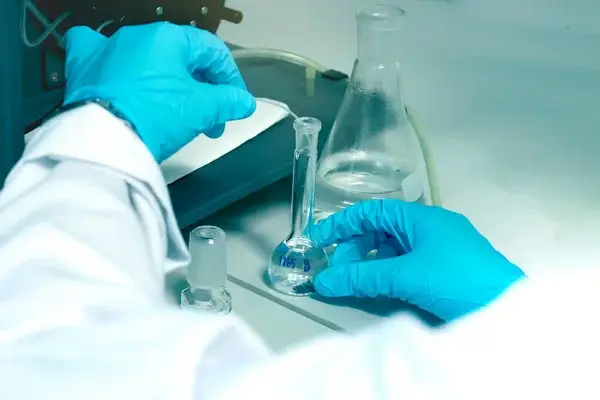
There is perhaps no sight more alarming in a home or office than turning on a tap and watching brown, tea-colored, or rust-tinted water flow out. It is a sensory warning that strikes at the heart of our expectations for clean, clear water. While in many cases this discoloration is a temporary result of sediment disturbance, it can occasionally signal systemic issues within a building’s infrastructure that require immediate attention.
For those managing or living in Manhattan’s diverse property types, understanding the difference between a minor nuisance and a serious red flag is essential.
The Usual Suspects: Why Water Turns Brown
In most instances, discoloration is caused by the presence of iron, manganese, or rust particles. These are not typically harmful in small, transient doses, but they are indicators that something has disturbed the internal surfaces of your pipes. Common triggers include:
- Municipal Maintenance: Fire hydrant flushing, water main repairs, or a sudden change in water pressure by the city can stir up naturally occurring sediments that have settled in the distribution mains over decades.
- Internal Plumbing Disturbance: Repairs or changes within your building’s own plumbing can dislodge rust scale from the interior walls of aging pipes, especially those made of galvanized steel or iron.
- Water Heater Sediment: If only your hot water is discolored, the culprit is often the water heater tank. Over time, minerals and sediment settle at the bottom, and the heating cycle can agitate this “sludge,” sending it through your hot water lines.
When to Stop and Investigate
How do you know if the brown water is a fleeting maintenance issue or a persistent problem? Use this simple diagnostic guide:
1. The “Flush” Test
If the water is discolored, turn off all taps and then run the cold water at your lowest, most central fixture (or the one closest to the water main) for 2 to 5 minutes. If the water runs clear, it was likely just sediment trapped in your branch lines. If it stays brown, the issue is more persistent.
2. The Hot vs. Cold Test
Check different fixtures. If only the hot water is brown, the problem is almost certainly contained to your water heater. If both hot and cold water are discolored, the source is upstream—likely your building’s service line or the municipal supply.
3. The “Persistence” Rule
If your water remains discolored for more than 24 hours, or if you experience repeated episodes of “brown water” despite normal municipal operations, you are likely looking at chronic pipe corrosion. This is a sign that your building’s internal infrastructure may be reaching the end of its functional lifespan.
Why Persistent Brown Water is a Health Concern
While rust itself is generally considered an aesthetic issue, persistent brown water is a “leading indicator” of infrastructure failure. It matters for three primary reasons:
- Lead and Heavy Metals: In buildings with older plumbing, rusted pipes often coexist with lead service lines or lead-soldered joints. When the rust flakes away, it can also release lead particles into the water. Because there is no “safe” level of lead for children, any ongoing corrosion is a significant building compliance liability.
- Bacterial Harboring: Iron and manganese deposits create rough, irregular surfaces inside pipes. These surfaces provide a perfect environment for “biofilms”—slimy layers of bacteria—to attach and grow. These biofilms can protect harmful bacteria from the chlorine disinfectants that are supposed to keep your water safe.
- Mechanical Damage: Constantly sending sediment through your building’s plumbing will eventually take a toll. It can clog faucet aerators, damage mixing valves in showers, and significantly shorten the lifespan of expensive boilers and commercial appliances.
Taking Proactive Steps
If you are seeing persistent brown water, do not wait for it to clear on its own.
- Contact Management: If you are a tenant, notify your building management immediately. They need to know if the issue is building-wide.
- Document the Issue: Keep a log of when the water is discolored, which fixtures are affected, and whether it’s hot or cold water.
- Schedule Professional Testing Services: If the problem persists, anecdotal observation is not enough. You need certified laboratory analysis to determine the exact concentration of metals and to rule out bacterial contamination.
Proactive Insight: Do not assume that “clear water” is always safe. Some of the most dangerous contaminants, like dissolved lead, are completely invisible. Brown water is essentially your plumbing “shouting” for help—listen to it, but don’t ignore the hidden risks that come with aging systems.
We have addressed many common questions about discolored water and building maintenance in our FAQ section. If you are facing persistent water quality issues, reach out to our team today. We can help you determine whether your building requires a simple flush, a fixture repair, or a more comprehensive location-based water quality audit.
For more information on the risks of aging pipes, the EPA’s Ground Water and Drinking Water resources provide a wealth of information on the impact of corrosion on public health.