When building managers, homeowners, and facility administrators in Manhattan consider water quality, the conversation often centers on metals—specifically lead and copper. Given the age of our city’s infrastructure and the historical use of lead service lines, this focus is entirely justified. However, there is a secondary, equally critical pillar of water safety that frequently gets overshadowed: microbial quality.
Bacteria testing deserves the same level of respect and urgency as metals testing. While metals often pose long-term health risks associated with chronic exposure, microbiological contaminants represent an acute, immediate threat to public health.
The Invisible Threat: Why Bacteria Matters
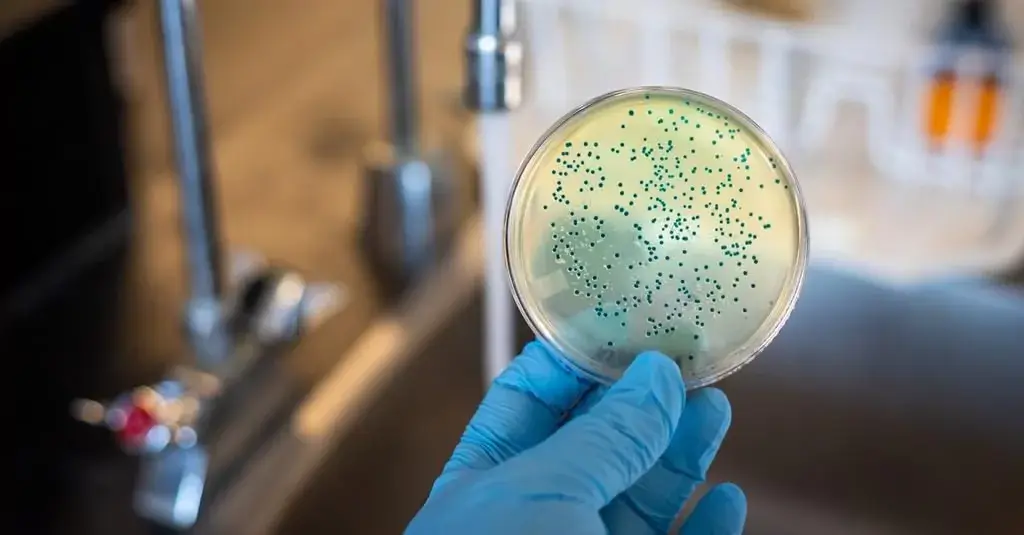
Unlike chemical contaminants that might require years of cumulative exposure to manifest health effects, bacterial contamination can cause illness within hours or days of ingestion. Pathogens such as E. coli, Legionella, and Total Coliform are not merely abstract scientific terms; they are biological agents capable of causing severe gastrointestinal distress, respiratory issues, and other serious health complications.
In the complex plumbing systems of Manhattan’s diverse property types, water does not just flow; it sits, warms, and interacts with building materials. This environment can, under the right conditions, become a breeding ground for microorganisms.
Common Microbial Concerns in Buildings
- Total Coliform: These are generally harmless bacteria, but their presence serves as a crucial “indicator organism.” If coliforms are detected, it signals that the building’s water system may have been compromised, providing a potential pathway for more dangerous pathogens to enter the supply.
- E. coli: A specific subset of the coliform group, E. coli is a direct indicator of fecal contamination. Its presence is an immediate red flag that requires swift, decisive action.
- Legionella: Perhaps the most significant concern for large-scale buildings and cooling systems, Legionella bacteria can cause Legionnaires’ disease, a severe form of pneumonia. It thrives in warm, stagnant water—often found in building hot water tanks, decorative fountains, or cooling towers.
Why Bacteria Testing Is Not a “One-Off”
Metals levels are largely dictated by the source water and the plumbing materials present in your building. While those can change during major renovations, they are relatively static. Bacteria, conversely, are opportunistic. They can enter a system through a backflow event, a main break in the street, or even a simple plumbing repair that introduces non-sterile equipment into the system.
This is why regular testing services are essential. You cannot assume that because your water was clean six months ago, it remains biologically pristine today.
The Synergy of Comprehensive Analysis
The most credible water analysis program treats metals and bacteria as two sides of the same coin. A comprehensive approach to building compliance involves:
- Systematic Sampling: Testing for bacteria requires specialized, sterile collection procedures to prevent cross-contamination.
- Certified Laboratory Accuracy: You cannot detect these microorganisms with DIY kits. Professional labs use standardized culturing and molecular methods (like PCR) to identify and quantify the presence of bacteria with the precision required for health safety.
- Actionable Data: If a test returns positive for coliforms, the response must be immediate—involving shock chlorination, system flushing, or investigation into potential backflow issues.
Beyond the Tap: Managing Vulnerable Infrastructure
In high-density neighborhoods, maintenance of water quality is a team effort between the city and building management. However, once water passes through the building’s main meter, the responsibility for maintaining its quality shifts to the property owner.
For those managing facilities—whether residential or commercial—neglecting bacteria testing is a significant liability. Ensuring your building remains compliant with health codes is not just a regulatory hurdle; it is a fundamental duty of care to your residents and occupants.
If you are concerned about the biological safety of your water or need to establish a recurring monitoring schedule, turn to a certified laboratory that specializes in the unique plumbing challenges of Manhattan.
Proactive Insight: Have you recently completed plumbing repairs, or have you noticed a change in water temperature or pressure? These are often the first physical signs that a system may be harboring conditions favorable for bacterial growth. Don’t wait for a public health notice to take action.
For more information on the risks associated with microbial contaminants or to review our standard protocols, we invite you to browse our FAQ section. When you are ready to secure your building’s water quality, please contact our team for a professional consultation tailored to your specific needs.
For further resources on waterborne pathogens and public health standards, the Centers for Disease Control and Prevention (CDC) provides extensive information on how to identify and prevent the spread of waterborne illnesses in large buildings.
Does your current water management plan include both chemical and biological testing, or have you focused primarily on metals in the past?