Battery Park City is a marvel of urban planning, defined by its modern high-rise towers, green spaces, and iconic waterfront views. For residents and property managers in this neighborhood, the plumbing systems often reflect the sleek, contemporary design of the buildings themselves. However, a common misconception in high-density, modern residential towers is the idea that “new” or “modern” automatically guarantees water quality.
In reality, the complexity of high-rise infrastructure means that water quality depends on far more than the age of the pipes. It depends on meticulous maintenance, operational oversight, and a commitment to professional testing services that verify what lies beneath the surface.
The Illusion of Modern Infrastructure
Modern high-rises are engineering feats, but they are also home to incredibly complex water distribution systems. Unlike a simple residential home, a Battery Park City tower utilizes a sophisticated network of booster pumps, roof-level storage tanks, and miles of vertical risers.
While these systems are designed for efficiency, they introduce their own set of unique vulnerabilities:
- Water Age and Stagnation: In massive buildings, water can take significant time to travel from the municipal main to a faucet on the 40th floor. During this journey, disinfectant residuals (like chlorine) can degrade, and water temperature can fluctuate, potentially creating an environment conducive to bacterial growth.
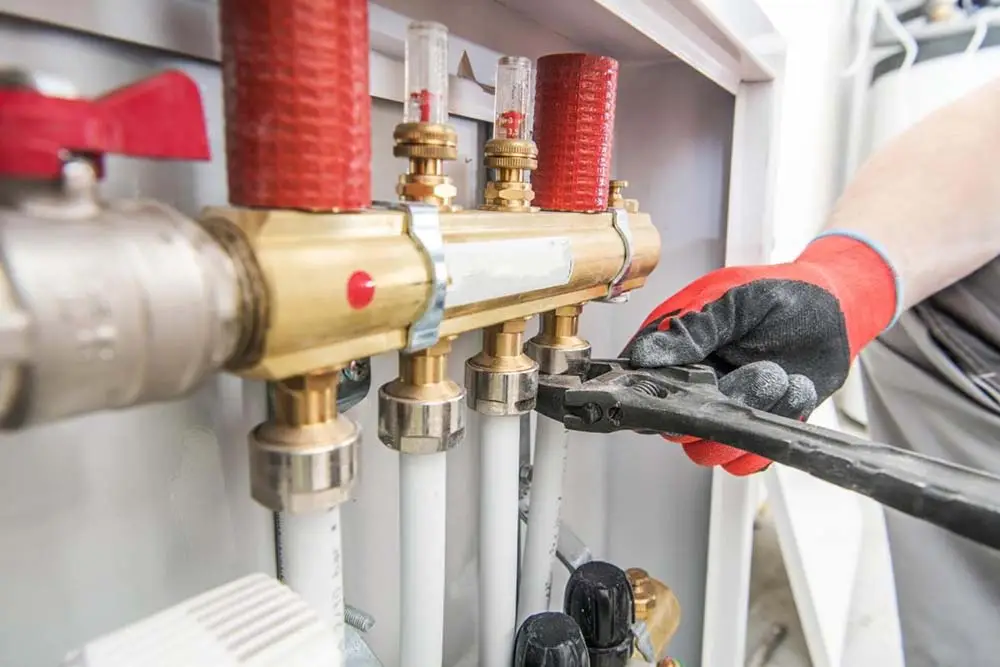
- Mechanical Interfaces: The most frequent failure points in modern plumbing aren’t the pipes themselves, but the interfaces—where valves, pumps, and sensors connect to the plumbing system. Improperly maintained booster pumps or stagnant storage tanks can introduce issues that have nothing to do with the “modern” nature of the piping material.
- System Complexity: High-rises integrate fire protection, cooling systems, and domestic water systems. If backflow prevention devices are not regularly certified, the risk of cross-contamination between these systems increases, regardless of how “new” the building is.
Why Building Compliance Is a Moving Target
For property managers in Battery Park City, water quality is not a “set it and forget it” task. Regulations concerning cooling towers, lead monitoring, and general potability are constantly evolving. Relying solely on the building’s original engineering specifications is a strategy that ignores the reality of ongoing wear and tear.
A robust water quality management plan for a high-rise should include:
- System-Wide Audits: Testing should be performed at representative points throughout the building—not just in the lobby or basement, but at the highest residential units and most frequently used commercial outlets.
- Bacteriological Monitoring: Given the size of high-rise distribution networks, regular screening for Total Coliform and Legionella is essential to ensure that water remains microbiologically safe throughout its long journey to the tap.
- Corrosion Characterization: Even modern pipes can be affected by aggressive water chemistry. Periodically testing for metals like copper or iron helps identify if the internal plumbing is showing early signs of degradation before a leak or a major contamination event occurs.
The Professional Advantage
In a high-rise environment, generic DIY testing is insufficient. The scale of the system requires a scientific approach to sampling. A certified laboratory provides the necessary rigor to:
- Target Vulnerabilities: Professionals understand the hydraulics of high-rise buildings and can identify which specific locations—such as dead-end branches or low-flow areas—are most at risk.
- Document Due Diligence: In the event of a regulatory inspection or an insurance inquiry, having a history of certified, lab-verified test reports is the ultimate proof of responsible building management.
- Interpret Complex Data: Numbers are only meaningful when interpreted against the context of your building’s specific property type. A professional analysis provides the actionable insights you need to prioritize maintenance and avoid costly, reactive repairs.
Proactive Insight: Have you reviewed the certification status of your building’s backflow prevention devices or the latest Legionella testing results for your cooling systems? These are critical “hidden” components of your high-rise’s water health that often get overlooked in favor of aesthetic upkeep.
We have answered many common questions regarding high-rise water safety in our FAQ section. When you are ready to secure the water quality of your property, reach out to our team for a professional consultation. We specialize in the unique infrastructure challenges of Manhattan’s high-density towers and can help you develop a monitoring plan that ensures your building remains as safe and modern as it appears.
For more information on high-rise plumbing standards, the Environmental Protection Agency (EPA) offers resources on the risks associated with large, complex water distribution systems in urban environments.