
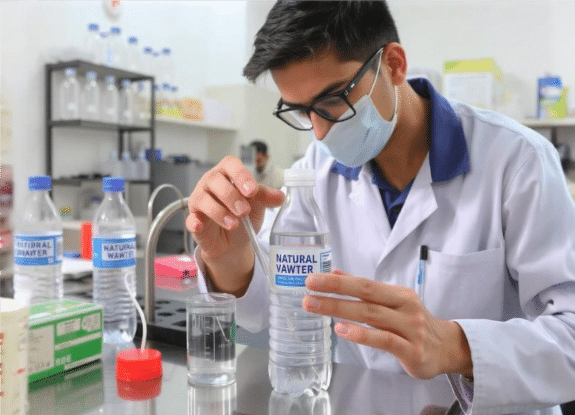
Safe drinking water is something every Queens household deserves, but knowing whether your tap truly delivers it takes more than a glance or a taste. A knowledgeable water testing consultant Queens brings expertise, accurate analysis, and clear guidance to the question that matters most: is the water your family drinks actually safe? This guide explains how a consultant works and why their role goes far beyond a simple lab result.
What a Water Testing Consultant Actually Does
A water testing consultant is more than a lab that returns numbers. A consultant combines certified analysis with expert interpretation, guiding you from the first sample to a practical solution.
Where a basic test tells you what is in your water, a consultant explains what those results mean for your specific home, why a problem exists, and how to fix it. This blend of measurement and advice turns raw data into decisions you can act on with confidence. For a household worried about safe drinking water, that guidance is often the difference between confusion and clarity.
Why Expert Guidance Matters in Queens
New York City delivers water treated to strict federal and state standards, drawn from the Catskill, Delaware, and Croton watersheds. That water reaches your neighborhood clean and safe. What happens inside your home determines the quality of every glass you pour.
Queens contains an enormous variety of housing, from prewar homes and postwar row houses to converted multi-family properties and modern condos. The plumbing inside these buildings ranges widely in age and condition, and the city does not maintain it. A consultant understands how these different building types affect water quality and knows where to look for problems that a generic test might miss.
How a Consultant Ensures Safe Drinking Water
A consultant follows a thorough process designed to give you accurate, meaningful answers rather than a rough estimate.
Guided Sample Collection
Accurate results begin with correct sampling. A consultant advises you on how and when to collect water, including first-draw samples that sit in the pipes overnight and reveal what your fixtures and service line contribute. Proper collection prevents misleading results.
Comprehensive Laboratory Analysis
The consultant tests for the contaminants that matter for your health, including lead, bacteria, metals such as iron and copper, chlorine, chlorination byproducts, pH, hardness, and sediment. This wide scope catches both obvious and hidden risks.
Expert Interpretation of Results
This is where a consultant stands apart. Rather than handing you a page of numbers, a consultant explains what each result means, whether it exceeds safety standards, and what likely caused it. This interpretation transforms data into understanding.
Tailored Recommendations
Based on your specific results, a consultant recommends the right solution, whether that means a lead-certified filter, a fixture replacement, tank maintenance, or further testing. The advice matches your actual water rather than a one-size-fits-all fix.
The Hidden Risks a Consultant Helps You Catch
The most dangerous contaminants are the ones you cannot see, smell, or taste, and a consultant knows exactly where they hide.
Lead is the clearest example. It gives no sensory warning yet poses a serious health risk, especially to children and pregnant residents. Bacteria and certain chlorination byproducts are equally invisible. A consultant designs testing to detect these hidden threats and interprets the results in the context of your home’s age and plumbing, catching risks a simple sensory check would never reveal.
How a Consultant Reads the Story Behind Your Results
Numbers alone rarely tell the full story. A consultant reads the patterns that point to the true source of a problem.
Lead found only in first-draw samples points to your fixtures and service line. Contamination limited to hot water points to the water heater. Problems that clear after flushing point to stagnant lines. Iron and discoloration point to corroding pipes. This diagnostic skill separates a plumbing issue from a supply issue and directs you toward the correct fix instead of a costly guess.
Why Homeowners and Property Managers Value a Consultant
For homeowners, a consultant offers peace of mind backed by expertise. You learn not only whether your water is safe but why, and what to do if it is not. That clarity protects your family and guides smart investments in filtration or plumbing.
For property managers, a consultant provides documented results, expert recommendations, and a clear record that supports maintenance planning and tenant safety. When a single aging riser or rooftop tank can affect an entire building, professional guidance helps managers act responsibly and prove they did. In both cases, the consultant turns a health concern into a manageable, well-informed decision.
Steps a Consultant May Recommend for Safer Water
After interpreting your results, a consultant often suggests practical measures tailored to your situation.
- Flush standing water: Run cold water briefly before drinking, especially after taps sit unused overnight.
- Use cold water for cooking and drinking: Hot water pulls more metals from old pipes, so draw from the cold tap.
- Install a certified filter: Match the filter to the specific contaminants your test identifies.
- Replace problem fixtures: Swap out lead-bearing or corroded parts the analysis points to.
- Schedule follow-up testing: Confirm that a solution worked and monitor your water over time.
Frequently Asked Questions
How is a water testing consultant different from a basic lab test?
A basic lab test returns numbers, while a consultant combines certified analysis with expert interpretation and tailored advice. A consultant explains what your results mean for your specific home, why a problem exists, and how to fix it, turning raw data into decisions you can act on with confidence.
Can a consultant tell whether my pipes or the city supply is the problem?
Yes. A consultant reads patterns in your results to pinpoint the source. Lead in first-draw samples points to fixtures, contamination in hot water points to the heater, and problems that clear after flushing point to stagnant lines. This separates a plumbing issue from a supply issue.
Why can’t I just rely on how my water looks and tastes?
Because the most serious contaminants give no sensory warning. Lead, bacteria, and certain chlorination byproducts have no taste, smell, or color. Clear, good-tasting water can still contain them, which is why a consultant designs testing to detect these hidden threats.
Will a consultant help me choose the right water filter?
Yes. A consultant identifies exactly which contaminants are present and recommends a filter certified to remove them. This prevents you from buying equipment that does not match your actual water quality issues and ensures the solution addresses your specific concerns.
When should I bring in a water testing consultant?
Consider a consultant when you notice a change in taste, smell, color, or pressure, after moving into a home with unknown plumbing, following a renovation, or if you have concerns about lead in an older building. Households with children, pregnant residents, or elderly family members benefit especially.