
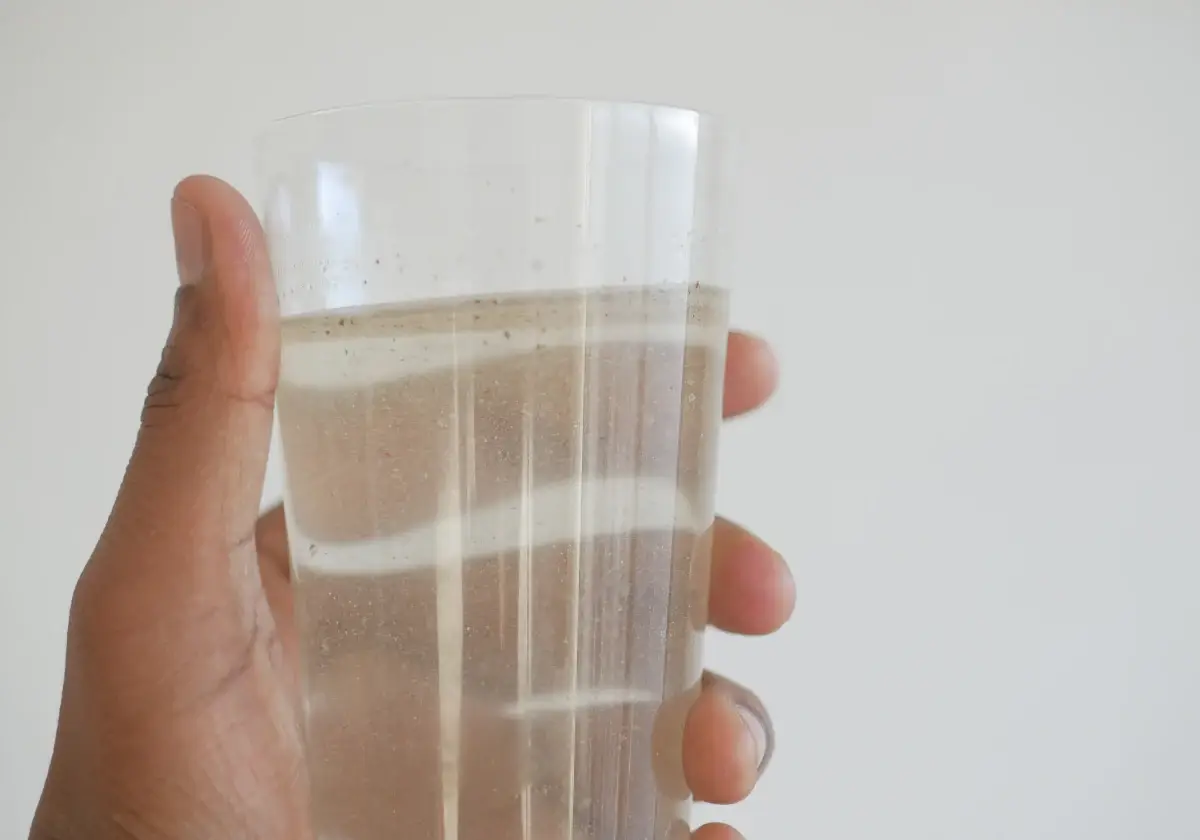
The Upper West Side is home to some of Manhattan’s most iconic architecture, particularly its stately brownstones and historic townhomes. These buildings, many dating back to the late 19th and early 20th centuries, are cherished for their character and craftsmanship. However, beneath the classic masonry and ornate trim lies plumbing infrastructure that often dates back to an era when material standards and safety regulations were fundamentally different from today.
For homeowners and property managers in these historic structures, the temptation to use generic, off-the-shelf water testing kits is strong. They promise ease, affordability, and quick results. Yet, time and again, these generic solutions fall short, failing to address the specific, nuanced challenges inherent to the aging plumbing of the Upper West Side.
The Complexity of Historic Plumbing
The primary reason generic tests fail is that they are designed to look for “broad-spectrum” contaminants in a standard way, which often misses the mark in complex, historic buildings. Brownstones often feature a “hybrid” plumbing system: a mix of original lead service lines, vintage galvanized steel risers, and more modern copper or PEX patches added during renovations over the last century.
Generic tests are rarely equipped to navigate this complexity. They lack:
- Sensitivity to Trace Levels: In a historic brownstone, the concern is often trace amounts of heavy metals—like lead—that leach over time. Standard kits may provide a “pass/fail” result based on outdated or less stringent thresholds, missing levels that a health-conscious family would want to identify.
- Contextual Analysis: A generic strip doesn’t know your building’s history. It cannot tell the difference between sediment caused by a one-time municipal disturbance and the chronic, ongoing corrosion of legacy piping materials hidden deep within your walls.
- Methodological Rigor: Accurate water analysis is highly dependent on how the sample is collected. In a brownstone with intricate plumbing, a professional understands that a “first-draw” sample from a kitchen sink vs. a bathroom tap provides different data. Generic kits often skip these critical steps, leading to skewed or misleading results.
Why Specialized Testing Services Are Essential
When you reside in a building where history is built into the walls, you need an analysis that respects that complexity. A certified laboratory does not just give you a “yes” or “no” answer; it provides a forensic look at your water quality.
Specialized testing services understand the specific risks associated with:
- Lead and Copper Corrosion: By using advanced testing methods like ICP-MS (Inductively Coupled Plasma Mass Spectrometry), labs can detect metals at the parts-per-billion level, providing the precision needed to make informed health decisions.
- Stagnation Patterns: Historic brownstones often have irregular usage patterns. Professionals can help you design a sampling scope that accurately reflects the water quality your family actually consumes, rather than just the water sitting in a static pipe.
- Building Compliance: Many homeowners are unaware of the specific building compliance standards required if they rent out part of their brownstone. Generic tests will not suffice for legal or insurance purposes, whereas certified laboratory reports are recognized for their scientific and legal integrity.
The Cost of Misleading Results
The danger of a generic kit is not just that it might provide a wrong answer; it’s the sense of false security it provides. Imagine relying on a hardware-store test that says your lead levels are “low,” only to have a later, more sensitive test show that your children are being exposed to levels that exceed health recommendations.
For an Upper West Side homeowner, the goal of water testing is peace of mind. You are protecting your family’s health and the long-term value of your property. Relying on sub-par tools is a gamble that simply isn’t worth the risk.
Navigating Your Options
If you are managing a Manhattan property type that carries the weight of history, move beyond the convenience of the local hardware store. Establish a relationship with professionals who understand the geography and plumbing architecture of your neighborhood.
Whether you are in a classic brownstone or a mid-century cooperative, the FAQ section on our website covers the common questions residents have when transitioning from basic testing to professional, certified analysis.
Proactive Insight: If you are planning a renovation, that is the most critical time to test. It is much easier to replace a questionable lead service line or a corroded riser while your walls are already open than it is to address it after the project is complete.
When you are ready to ensure your home is truly safe, reach out to our team for a consultation. We have the expertise to help you navigate the specific water quality challenges of the Upper West Side and beyond, ensuring that your results are as clear and reliable as they need to be.
For more information on why the age of your building matters, the Environmental Protection Agency (EPA) offers extensive guidance on the risks of lead in homes built before 1986, which is a vital resource for any historic brownstone owner.