
The West Village is a neighborhood defined by its historic charm, where narrow streets are lined with 19th-century brownstones and pre-war townhomes. For many residents, the appeal of these properties lies in their history. However, for those undertaking home renovations—a common endeavor in this architecturally significant corner of Manhattan—it is essential to realize that a remodel can inadvertently “rewrite” the water quality profile of your home.
When you open up walls, replace fixtures, or update plumbing, you are doing more than just aesthetic work; you are changing the hydraulics and chemistry of your building’s water system.
The “Hidden” Impact of Renovations
In an older West Village home, the plumbing system has often reached a state of “equilibrium.” Over decades, internal scale—a buildup of minerals and rust—has formed on the interior of pipes. This scale, while sometimes problematic, acts as a thin barrier between the water and the metal pipes themselves.
When renovations involve moving pipes, replacing valves, or adding new, modern fixtures, this delicate balance is often disrupted. The physical movement of pipes can knock loose long-settled sediment, while the introduction of new materials can create chemical interactions that were previously non-existent.
Why Your Water Quality May Shift:
- Galvanic Corrosion: When you introduce new copper or PEX plumbing into an existing system of older galvanized steel or lead, you create “dissimilar metal” junctions. This can trigger galvanic corrosion, a process that accelerates the breakdown of older materials and increases the concentration of metals like lead or iron in your water.
- Stagnation Zones: During a major renovation, water flow to certain areas of the house is often turned off for weeks or months. This stagnation allows disinfectant residuals (like chlorine) to dissipate, creating a breeding ground for microorganisms or allowing heavy metals to leach into the sitting water at a higher rate.
- Sediment Release: The simple act of turning water mains on and off during a remodel can dislodge particles that have been safely tucked away for years, resulting in “brown water” or increased particulate matter at your taps long after the renovation is complete.
Beyond the Renovation: Ensuring Safety
The West Village’s diverse property types require a thoughtful approach to water management. If you are currently in the middle of a restoration, or if you have recently finished one, do not assume that your water quality remains the same as it was pre-project.
Proactive Steps for Every Homeowner:
- Baseline Testing: If you are planning a renovation, run a comprehensive water test before any work begins. This gives you a clear point of comparison.
- Post-Renovation Flushing: After the water is turned back on, perform a “system-wide flush.” Run every tap in the house for several minutes, starting from the point closest to the main and working your way through the building.
- Targeted Analysis: If you have replaced parts of your plumbing, schedule a certified laboratory to sample the water specifically from the new fixtures. This ensures that the new installation is secure and that no lead or copper is leaching from the new joints or solder.
The Role of Professional Oversight
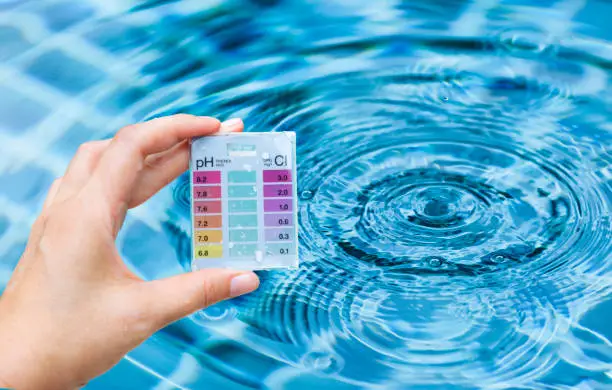
Generic hardware-store kits are simply not designed to handle the complexity of a post-renovation environment. They lack the sensitivity to detect the subtle, low-level changes in chemistry that occur when old and new systems collide.
For building compliance and the health of your family, work with experts who understand the unique plumbing architecture of Manhattan’s historic locations. A certified lab can provide the forensic analysis required to confirm that your beautiful new renovation is matched by a safe and stable water supply.
Proactive Insight: Even if your water looks clear, that doesn’t mean the chemistry hasn’t changed. Lead and copper are invisible—the only way to confirm that your renovation hasn’t compromised your water quality is through professional analysis.
We have helped many West Village homeowners navigate these transitions. You can find answers to common questions about post-renovation testing in our FAQ section. When you are ready to confirm the safety of your home, reach out to our team for a professional consultation.
For more information on the impact of infrastructure changes on water quality, the Environmental Protection Agency (EPA) provides excellent guidance on managing drinking water quality in buildings with older or evolving plumbing systems.