
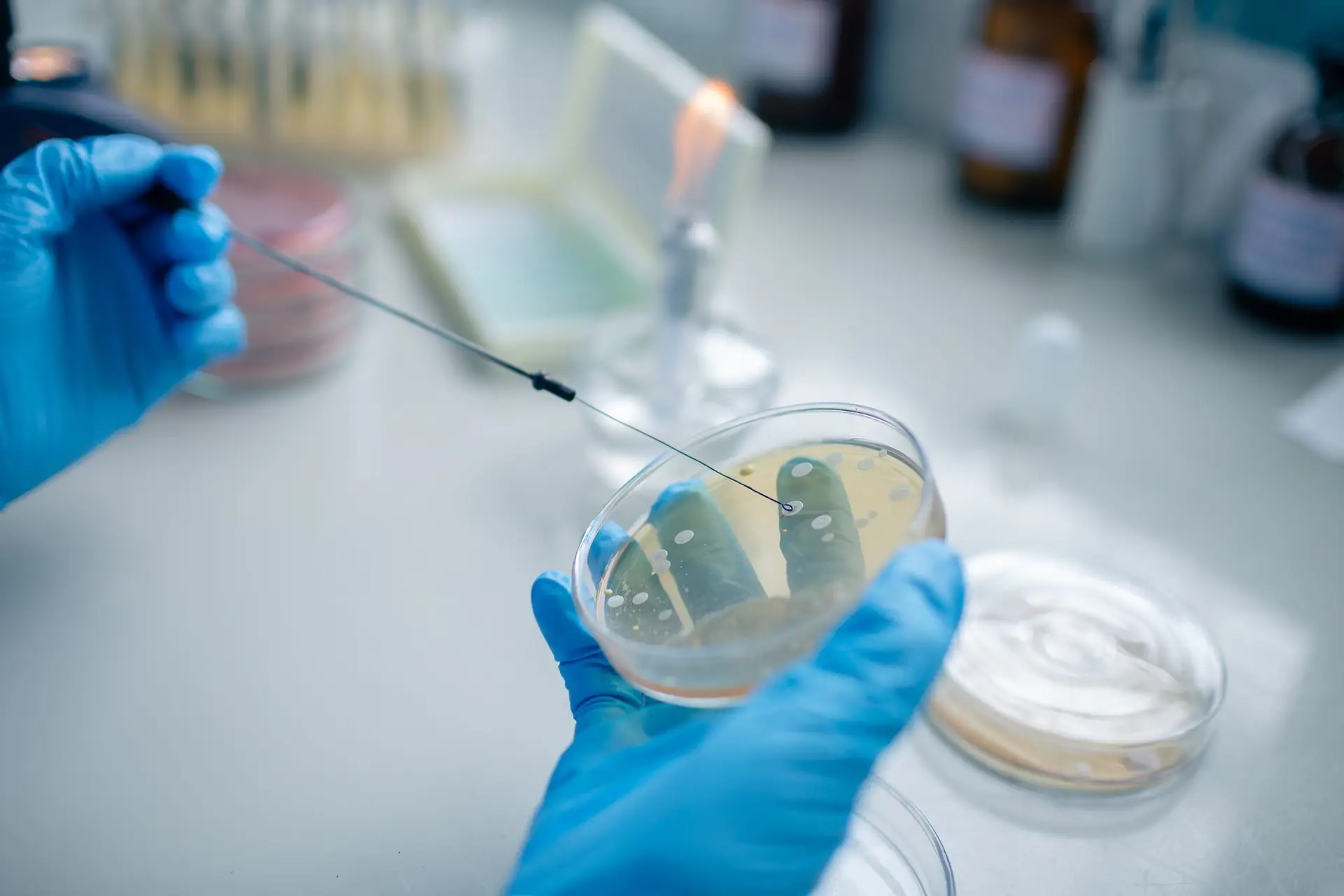
A faint smell, a glass of water that looks a little cloudy, or those stubborn stains that keep coming back around the drain are all easy things to shrug off. But in Queens, they’re often the first hint that something’s off with your water. The longer they go ignored, the more time contaminants have to build up unnoticed. That’s usually the point where people start looking into water testing companies Queens locals actually use, because a change in how your water looks, tastes, or smells is rarely just your imagination.
Why Small Water Issues Deserve Serious Attention
New York City delivers water treated to strict federal and state standards, drawn from the Catskill, Delaware, and Croton watersheds. That water reaches your block clean and safe. The issues you notice at home usually begin inside your building, and that is exactly why they matter.
Queens holds an enormous range of housing, from prewar homes and postwar row houses to converted multi-family properties and modern condos. The plumbing inside these buildings varies widely in age and condition, and the city does not maintain it. A small water quality issue often serves as an early warning that something in your pipes, fixtures, or storage tank needs attention. Ignoring that signal does not make the underlying problem disappear.
Common Water Quality Issues That Should Never Be Ignored
Several everyday water complaints carry more weight than they first appear. Each one deserves a closer look rather than a shrug.
A Persistent Chlorine Smell
A mild chlorine smell usually reflects normal disinfection, but a strong or worsening odor in an older building can signal that chlorine is reacting with buildup inside your pipes. Ignoring it means missing a chance to check for byproducts and other issues the smell may hide.
Metallic Taste or Discoloration
A metallic taste or brown water points to iron, copper, or corrosion in aging pipes. Left unaddressed, corrosion worsens over time, degrading water quality and eventually threatening the pipes themselves. What starts as an annoyance can become an expensive plumbing failure.
Cloudy Water or Sediment
Persistent cloudiness or visible particles suggests sediment from aging plumbing or a neglected storage tank. Ignored sediment can harbor bacteria and signals infrastructure that is breaking down inside your walls.
Rotten Egg or Musty Odors
A rotten egg smell often means bacteria in the water heater or stagnant lines, while a musty odor can point to biofilm or tank buildup. These odors are not just unpleasant; they can indicate microbial growth that testing should evaluate.
Low or Changing Water Pressure
Declining pressure frequently reflects mineral buildup or corrosion narrowing your pipes. Ignoring it allows the underlying deterioration to continue until a pipe fails or water quality drops sharply.
The Hidden Danger Behind Visible Issues
The greatest risk is not the issue you notice but the one you cannot. A visible or smellable problem can distract you from a contaminant with no sensory warning at all.
Lead is the clearest example. It has no taste, smell, or color, yet it poses a serious health risk, especially to children and pregnant residents. When you dismiss a metallic taste or a chlorine smell as merely annoying, you may overlook the possibility that the same aging plumbing is also leaching lead. Bacteria and certain chlorination byproducts are equally invisible. This is why any noticeable issue should prompt testing rather than a decision to live with it.
What Happens When Issues Are Ignored
Water quality problems rarely resolve on their own. Left unchecked, they tend to grow in both health and financial cost.
Corrosion spreads and weakens pipes until they leak or fail. Sediment and bacteria accumulate in tanks and heaters. Lead exposure continues silently, with the greatest harm falling on the most vulnerable members of a household. For property managers, an ignored complaint in one unit can become a building-wide crisis and a serious liability. Early testing interrupts this progression before a manageable issue becomes a costly emergency.
Why Property Managers Cannot Afford to Wait
Property managers carry responsibility for the water quality they deliver to residents, and ignored issues rarely stay contained. A single complaint often reflects a condition affecting many units.
Rooftop tanks require regular inspection and cleaning to prevent sediment and bacteria. Aging risers and service lines can introduce rust or lead across an entire building. Documented testing protects tenants, guides maintenance decisions, and provides a clear record if concerns escalate into disputes. For a manager overseeing Queens properties, acting on early signs is both a safety measure and a matter of accountability.
How Testing Turns Warning Signs Into Action
A water quality issue tells you something needs attention, but only testing tells you what and how urgently. Certified analysis replaces worry with measurement.
Testing measures lead, bacteria, chlorine, chlorination byproducts, metals such as iron and copper, pH, hardness, and sediment. The results reveal patterns that guide action. Lead in first-draw samples points to fixtures and the service line. Contamination limited to hot water points to the water heater. Discoloration points to corroding pipes. This clarity lets you address the real problem early, before it worsens.
Steps to Take When You Notice an Issue
Acting on a water quality concern does not have to be complicated. A few steps put you on the right path.
- Schedule a test promptly: Do not wait for the issue to worsen; certified testing gives you the facts you need.
- Flush standing water: Run cold water briefly before drinking, especially after taps sit unused overnight.
- Use cold water for cooking and drinking: Hot water pulls more metals from old pipes, so draw from the cold tap.
- Install a certified filter: Match the filter to the contaminants your test identifies.
- Report building-wide signs: Tell your property manager about persistent odors, discoloration, or pressure changes.
Frequently Asked Questions
Is it really a problem if my water only has a minor issue?
Often, yes. Small issues like a faint metallic taste or slight cloudiness can be early warnings of corrosion, sediment, or aging plumbing. More importantly, the same conditions that cause visible problems can also leach lead, which gives no sensory warning. Testing confirms whether a minor issue signals something serious.
Can ignoring a water quality issue actually harm my health?
Yes. Ignored issues can mean ongoing exposure to contaminants like lead or bacteria, which pose real health risks, especially to children, pregnant residents, and the elderly. Because these threats are often invisible, a noticeable issue should prompt testing rather than a decision to live with it.
Why does a chlorine or metallic smell matter if the water seems safe?
These smells can distract you from contaminants you cannot detect. A chlorine odor or metallic taste may accompany aging plumbing that also leaches lead. Testing measures both the noticeable issue and the hidden ones, giving you a complete picture instead of a false sense of security.
What happens to my pipes if I ignore discoloration or low pressure?
Discoloration and declining pressure often signal corrosion and buildup inside aging pipes. Left unaddressed, this deterioration worsens until pipes leak or fail, turning a manageable issue into a costly repair. Early testing helps you act before the damage spreads.
Should property managers act on a single tenant complaint?
Yes. A single complaint often reflects a building-wide condition, such as a neglected rooftop tank or corroded risers. Acting early with documented testing protects all tenants, guides maintenance, and prevents a small issue from becoming a costly, building-wide liability.
Do Not Wait to Address Your Water Quality
Common water quality issues in Queens are easy to dismiss, but the small signals you notice often point to problems that grow more serious and more expensive over time, from corrosion to invisible lead. You deserve facts rather than a false sense of security about the water your household depends on. Certified testing identifies exactly what is present, explains the results in plain language, and guides you toward the right solution before a minor issue becomes a major one. Whether you own your home, rent an apartment, or manage properties across Queens, acting early protects the people who depend on that water every day. Schedule a test, review the findings, and take control of your water quality with confidence.