
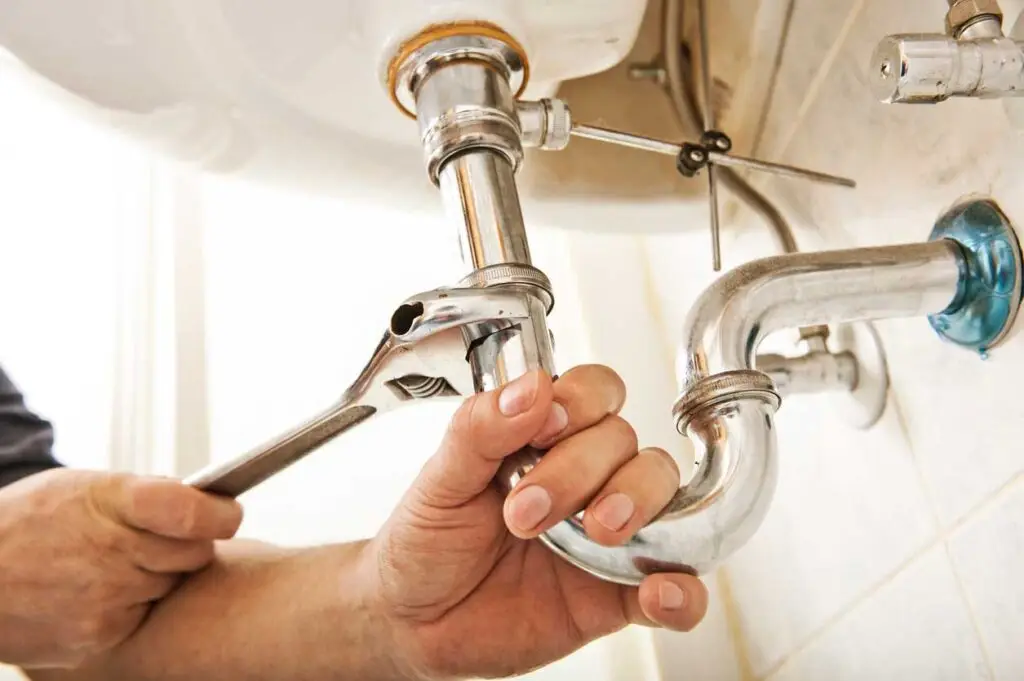
It is a common scenario in Manhattan households: a resident fills a glass of water, notices a strange, metallic tang or a faint chemical smell, and suddenly feels an unexpected sense of unease. Most of us don’t spend our weekends thinking about service lines, corrosion rates, or pipe metallurgy. We aren’t expected to be master plumbers. Yet, our senses are remarkably tuned to detect changes in our water quality long before we learn the technical terminology of plumbing.
This is not a coincidence; it is an evolutionary survival mechanism. Human beings have a natural, heightened sensitivity to changes in the taste and smell of our primary hydration source. When those senses trigger a “warning,” it is a signal to pause and investigate.
The Sensory Warning System
You don’t need a degree in water chemistry to know when your tap water has changed. Our palates are surprisingly sophisticated at picking up on trace elements that fall outside the “norm” of our daily water profile.
- Metallic Tastes: This is the most common complaint among families. Often, this indicates that the water has been sitting in contact with metal pipes—typically iron, copper, or lead—long enough to dissolve trace amounts of these materials. If you notice a metallic tang first thing in the morning, your plumbing is telling you that the water has been “stagnant” in the lines overnight.
- Chlorine or “Bleach” Smells: Municipalities add chlorine or chloramines to disinfect water as it travels through the city’s vast network of pipes. While this is a safety necessity, concentrations can vary based on your proximity to a treatment facility or the time of year. A sudden shift in this smell is often noticeable to family members, even if the water remains well within safety guidelines.
- Musty or Earthy Odors: These are often attributed to organic matter or certain types of bacteria. While usually harmless in trace amounts, they can be a sign that a building’s internal pipes or storage tanks are due for a cleaning or that there is a build-up of biofilm in the faucet aerator.
Moving from “Something’s Wrong” to “What’s Wrong?”
Once your senses identify a change, the logical next step is to transition from intuition to data. This is where most families feel overwhelmed. You don’t need to master plumbing jargon to take action; you simply need to understand the basic categories of what might be happening.
Whether you live in a classic Manhattan property type or a modern luxury high-rise, the process of investigating these sensory changes is straightforward:
- Test the Source: Run the water for a few minutes. Does the taste or smell persist? If it disappears after the pipes have been “flushed,” it confirms that the issue is likely internal to your building’s plumbing rather than the city’s supply.
- Check Your Fixtures: Often, the culprit is the faucet aerator or a showerhead, where minerals and bacteria can accumulate. Unscrewing the aerator and cleaning it can sometimes resolve the issue entirely.
- Consult the Professionals: If flushing and cleaning don’t resolve the sensory change, it is time for professional water testing. A certified laboratory can look beyond the taste and smell to determine the actual chemical or biological composition of your water.
Why Intuition Is a Valid Starting Point
There is often a hesitation to “make a big deal” out of a funny taste. However, in a city with such aging infrastructure, your intuition is a valuable asset. Identifying these changes early allows for proactive maintenance.
For families, this is especially important. Children and those with sensitive immune systems may react differently to changes in water chemistry. By taking your sensory observations seriously and pairing them with certified analysis, you move from a place of uncertainty to a place of control. You don’t need to know the difference between a “dielectric union” and a “riser valve” to know that you deserve water that tastes and smells neutral.
Building Confidence Through Clarity
When you engage with experts, they can help translate your sensory experience into a clear roadmap. They can clarify whether your water’s profile is normal for your area, or if it indicates an issue with building compliance that management needs to address.
For families across various locations in Manhattan, having this baseline of knowledge brings peace of mind. It turns a source of domestic anxiety into a managed, understood aspect of home maintenance.
Proactive Insight: Have you noticed a persistent change in your water’s taste or smell? Start by noting the time of day and whether it happens at all faucets or just one. This small log of observations is exactly the kind of detail that helps professionals quickly identify the root cause of your concern.
We have compiled a list of common inquiries in our FAQ section to help residents better understand these sensory changes. If you are still noticing an unusual taste or odor, reach out to our team today. We are here to help you move past the guesswork and provide the objective analysis your family needs.
For more information on why water might taste or smell differently, the Environmental Protection Agency (EPA) provides excellent resources on the common reasons for aesthetic changes in drinking water.